
Rent or Buy Lederhosen? Cost, Fit, and Hygiene Compared for Oktoberfest

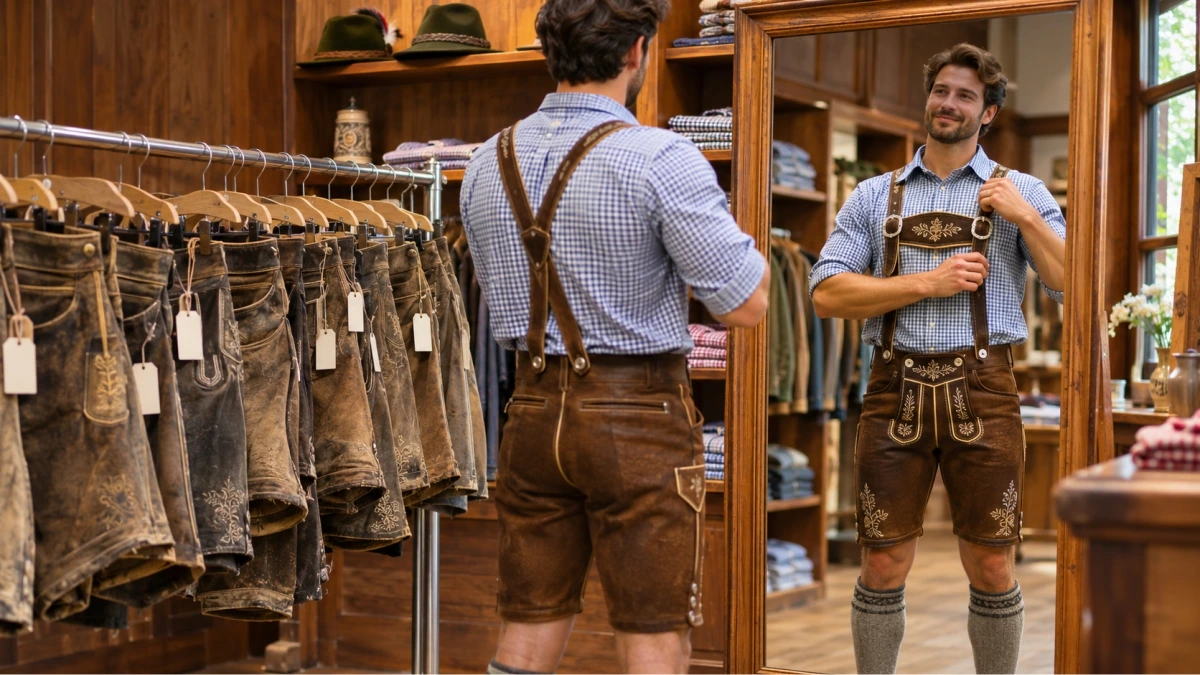
Should You Rent or Buy Lederhosen?
Renting lederhosen makes sense for a one-time festival goer attending a single event, while buying makes sense for anyone who expects to wear the outfit on more than a few days, because a purchased pair can last a lifetime and quickly costs less per wear than repeat rentals.
I have watched plenty of first-timers make this call in the week before the Wiesn, and the deciding factor is almost never style. It is frequency. Renting gives you a low upfront cost and no long-term commitment, which suits a first time visitor who has no idea yet whether the tradition will stick.
Buying flips the math. You accept a high upfront cost in exchange for a garment whose lifespan runs into decades, and the pair slowly turns into a cherished item rather than a costume. The worldwide popularity of Bavarian dress means this choice now comes up far beyond Bavaria itself.
Leather shorts for men and the Dirndl for women serve as the official Oktoberfest outfits in spirit, though no rule requires either. Women who would rather wear leather than a Dirndl can shop women lederhosen outfit options, which face the same rent-or-buy question. Wearing one brings a sense of belonging that jeans never do, and a pair you own carries your German style from one year to the next. The sections below break the trade-offs down so you can make an informed decision.
How Do Renting and Buying Lederhosen Compare?
Renting lederhosen is a short-term investment suited to one-time use, while buying turns the outfit into a permanent piece of your wardrobe that earns back its cost through versatility across multiple occasions.
| Factor | Renting | Buying |
| Upfront price | $40 to $70 per rental | $100 to $200 for entry pairs; €150–250 for solid mid-range; €300 up to four figures at the top |
| Fit | Off the rack; cannot be altered | Can be adjusted toward a perfect fit |
| Condition | Shows wear and tear from past renters | Freshly crafted, never worn |
| Upkeep | The shop handles all upkeep | You handle care and storage |
| Hygiene | Shared garment; hygiene depends on the shop | Only you have worn it |
| Hidden costs | Extra charges for damage or overdue returns | Replacements rarely needed |
| Best for | Convenient for a single trip | Long-term option for repeat visits |
The price row needs one caveat: the ranges come from different markets. American shops quote entry purchases around $100 to $200, while German retailers price a good cowhide or goatskin pair nearer €150 to €250, so compare like with like before you decide. For a fuller breakdown of what drives those prices, read our guide How Much Do Lederhosen Cost before you set a budget.
Your personal preferences matter more than the table suggests. Someone who attends Oktoberfest once a decade gains little from ownership. Someone heading to two or three Bavarian-themed events a year will find buying far more budget-friendly within one or two seasons.
Is It Cheaper to Rent or Buy Lederhosen?
Renting lederhosen is cheaper for a single event, but frequent rentals end up costing more than buying once total fees pass the price of a mid-range pair, which one retailer puts at around €250.
Rental shops charge on a daily basis, and the fee is usually a fraction of the original price. For anyone on a shoestring budget or a tight budget, that low entry point is the whole appeal. The primary purpose of renting is simply to stop the outfit from eating into the trip fund.
The outfit is rarely the largest line item anyway. Visitors report spending roughly €70 a day on the festival grounds, and that figure excludes hotel reservations and traveling. Against that total, a rental fee looks small, but its value drops to zero the moment you hand the pair back.
Buying asks for a higher initial price, sometimes a hefty price tag, yet the durability of real leather turns that spend into a lifetime investment. My rule of thumb: if you will wear the pair on four or more days across any events, ownership wins. Browsing traditional lederhosen for sale online ahead of time, instead of hunting through a physical store after landing, can also save pocket and time.
Do Rental Lederhosen Feel as Authentic as a New Pair?
Rental lederhosen are usually real leather, but a new pair looks and feels more authentic because it has not been softened, scuffed, or reshaped by multiple usage.
Leather breeches have been tied to Bavarian customs since the 17th century, and part of their character comes from how the hide molds to one wearer. A rental has molded to many. The result is often compromised fabric detail: flattened embroidery, dulled suede, and creases in all the wrong places. If you are new to the garment, our What Are Lederhosen article covers where it comes from and how it is built.
A new pair arrives wrinkle-free, and you get to choose the hide. Cowhide is the sturdier budget pick, goatskin is lighter, and at the premium end, premium deerskin is the softest of the three. Handcrafted pieces with dense decorative stitching show quality and style in a way rental racks rarely match.
The catch is sourcing. Finding an authentic Bavarian store abroad can feel daunting, which is why many first-time buyers default to renting. For anyone who values German traditions and heritage, though, owning a pair that belongs alongside other traditional outfits is half the point.
Can You Get a Proper Fit From Rented Lederhosen?
Rented lederhosen rarely fit as closely as a purchased pair, because rental stock comes in standard sizes that cannot be adjusted to your body.
Shops carry various sizes and advertise flexible sizing, but a size chart is not the same as a well-fitted garment. Genuine leather goes through a breaking period in which it stretches and turns supple, and a rental has already stretched to someone else’s shape.
That difference explains a pattern I see every autumn: locals tend to own, foreign visitors tend to rent. A Bavarian regular buys snug and lets the leather settle, while a tourist takes whatever the rack offers. Loose rentals sag at the seat, which reads more like casual dress than proper Tracht during long celebrations.
Buying puts the owner in control. Even basic models settle into perfect silhouettes over a season, and style-conscious buyers can order customized detailing such as heavy or light embroidery. Measuring carefully before ordering matters far more than the brand name on the label.
How Much Work Does Owning Lederhosen Involve?
Owning lederhosen involves light but regular attention: spot-cleaning after each wear, airing the leather, and proper storage between seasons.
Real leather pants are worn close to the skin, so they absorb sweat residue, and festivities add beer and food spills to the list. A fresh stain usually lifts with a damp cloth, while one left for months tends to set for good.
The effort depends on the leather type. Soft materials like suede are breathable and comfortable but mark easily, while smoother hides shrug off splashes. A well-made pair with tight seam work and fine thread around the intricate details survives handling far better than a cheap one.
None of this is daily work. Most makers print specific instructions on the label, and following them is most of the job. The idea that lederhosen demand frequent care is overstated, in my experience: after the festival, a wipe-down, a wide hanger, and a breathable garment bag cover nearly everything.
What Are the Advantages of Renting Lederhosen?
The main advantage of renting lederhosen is variety without ownership: you can wear a different look at every event and hand the pair back afterward.
Renting works a bit like a library card for Bavarian men’s attire. Specialist shops often rent a full package with shirt, socks, and accessories, so you skip assembling an outfit piece by piece, which turns out to be surprisingly time-consuming the first year.
The benefits that matter most in practice:
- Variety each year: wear a vibrant color one season and a darker color combination the next, rather than being locked into a single design and color.
- Low-risk experimenting: fashion enthusiasts can sample style variations and the latest designs before committing money to a purchase.
- Occasional events: a rental covers parties and gatherings or German cultural events where you need the look for one day only.
- No dated pieces: fashion trends in Tracht shift slowly, but a renter never gets stuck with last decade’s cut.
For a single visit, these advantages usually outweigh the fit compromise covered next.
What Are the Downsides of Renting Lederhosen?
The biggest downside of renting lederhosen is fit, followed by uncertain condition and the risk of fees.
Lederhosen should be snug-fit, and an ill-fitting rental rides up or sags once dancing on the benches begins. Inconsistent brand sizing across rental racks makes this worse, since a large from one maker can be a medium from another.
Condition is the second gamble. Repeated wear brings color fading at the knees and seat, and fading suede rarely recovers. You also cannot verify the cleanliness of a rented pair: some shops send items out for professional cleaning between customers, while others only air them.
Timing adds pressure. One retailer estimates that around 85% of attendees wear traditional dress, so rental racks thin out fast amid the enormous crowds, leaving limited choice. A late return can dent your budget, and a pair you hold only temporarily never quite delivers the true Bavarian experience of wearing your own.
What Do You Gain by Buying Your Own Lederhosen?
Buying lederhosen gives you a pair cut to your body, made from high-quality leather, and finished to your taste, which rental stock cannot offer.
Weighing initial costs against future benefits is the honest way to judge it. Makers who care about their reputation check every pair through final polishing, so a new garment delivers a classic Oktoberfest appearance from the first wear. Rising annual sales of traditional clothing show how many visitors now make that call. Women weighing a purchase can find the same fit and finish advantages in our Lederhosen Skirts collection.
What ownership unlocks:
- Fit: a tailored, tight fitting cut that follows your shape instead of a stranger’s.
- Personalization: choose embroidery detailing, buttons, and straps to add a personal touch.
- Design control: custom-made designs and embellishments turn the pair into a fashion statement.
- Lasting style: the timeless appeal of leather Tracht means the pair will not look dated in ten years.
Those gains compound with every wear, which is exactly what a rental cannot do.
What Are the Drawbacks of Buying Lederhosen?
The drawbacks of buying lederhosen are the upfront spend, the care obligations, and the risk of paying for a fake.
Ownership takes time and effort. Leather needs occasional conditioning to prevent cracking, storage in a cool dry place, and specialized cleaning products rather than household detergent. The care guidelines on the company tag are worth reading before the first wear.
Machine washing is off the table entirely, because it can irreparably damage leather. Hand washing or a leather specialist are the only safe routes, which is a real cost that renters never face.
The second risk is buying the wrong thing. The market is full of fake copies, many sold as a Halloween Oktoberfest costume, and non-leather Bavarian shorts can look convincing in product photos. Traditional stitching and real hide are the giveaways, and a seller that offers clear quality assurance reduces the gamble considerably.
How Should Your Oktoberfest Budget Shape the Decision?
Your Oktoberfest budget should shape the decision through cost per wear: divide the outfit’s price by the number of days you will actually wear it.
A rental in Munich runs about €33 to €50 per day, depending on what the shop bundles. Over a three-day trip that adds up to roughly €99 to €150, which already overlaps the low end of purchase prices. A side-by-side comparison of cost per wear makes the answer obvious:
| Days worn | Total rental cost (€33–€50/day) | Purchase cost per wear (€150–€250 pair) |
| 1 | €33–€50 | €150–€250 |
| 3 | €99–€150 | €50–€83 |
| 6 | €198–€300 | €25–€42 |
| 10 | €330–€500 | €15–€25 |
Count wears beyond the festival too. A themed party, Bavarian theme weddings, and stage performances are all specific events where a pair gets worn again. Renters never have to repeat your outfit and can try different materials and design options each year, but owners rack up wears quickly.
Then there is the souvenir angle. Leather Tracht is the classic thing visitors carry home, and one retailer reported that souvenir sales in Bavaria reached €5 billion in 2022. A pair you bring back builds a deeper connection to Bavarian culture and holds lasting memories that a returned rental cannot.
What Happens If You Return Rented Lederhosen Late or Damaged?
Returning rented lederhosen late or damaged usually triggers additional fees, so read the shop’s terms before you leave the counter.
Every rental comes with a limited duration, and rent policies spell out damage charges for tears, burns, or a ripped strap. Pairs with intricate patterns of embroidery tend to cost the most to repair, so a snagged motif can hurt more than a scuffed panel.
Shops tighten terms in peak seasons, when limited stock means a late pair blocks the next customer. Early booking gets you a better size and, in my experience, more relaxed handling at return time, which makes it the most practical option for a hassle-free pickup.
Cleanliness sits on the shop’s side of the deal. Because lederhosen sit in close proximity to the body and pass between multiple wearers, they can harbor bacteria when cleaning protocols are lax. High rental volumes make sanitation and disinfecting between customers essential for limiting health risks, so ask how a pair was cleaned before you sign.
Where Can You Rent Lederhosen in Munich?
You can rent lederhosen in Munich from costume stores, Tracht shops with rental services, and dedicated stalls that open around the festival.
During the Oktoberfest days, a Tracht shop seems to sit on every street in the center, and many sell and rent side by side. Finding a pair is not a significant hurdle; finding a good one takes a little more effort.
Skip the touristy stores by the Munich Train Station. Shops a few U-Bahn stops away are worth the short ride: the underground trains offer €15 day trips, and a €3.4 one-way ticket gets you to the Theresienwiese, so shopping around costs very little.
Before paying, check the rental duration and return policies. Many shops allow flexible return durations, but you still need to comply with their set rules to stay on the safe side. Pick Bavarian Tracht that suits your unique personality and wear it as a tribute to the culture. Tent reservations often come back to you as food and drink vouchers, so keep your outfit budget separate from what you spend inside.
How Much Does It Cost to Rent Lederhosen?
Renting lederhosen typically costs $40 to $70 per rental in the US and about €33 to €50 per day in Munich. The price depends on the quality of the leather and on how much of the outfit comes bundled with it. A rental that includes a shirt and socks sits toward the top of that range. Check whether the quoted price is per day or for the whole rental period before you compare shops.
Is It Worth Buying Lederhosen for Just One Oktoberfest?
Buying lederhosen for a single Oktoberfest is usually not worth it unless you expect to wear them again. One wear spreads the full €150–250 purchase price across a single day, which costs several times more than a rental. The exception is when you want the pair as a keepsake from the trip, or when you already know about a wedding, themed party or second festival coming up. In that case, ownership starts paying off quickly, so men who want a full outfit of their own can buy german lederhosen costume options before the trip.
Do You Have to Clean Rented Lederhosen Before Returning Them?
You usually do not have to clean rented lederhosen before returning them, because the rental shop handles cleaning between customers. The exception is visible damage: stains, tears or burns can lead to extra charges under most rental terms. Wipe off fresh spills with a damp cloth on the day, and never put rented leather in a washing machine. Read the shop’s terms at pickup so you know what counts as damage.
How Far in Advance Should You Book Rental Lederhosen?
Book rental lederhosen as early as you can, ideally before you travel, because stock runs low during peak festival weeks. Early booking gives you the widest choice of sizes and styles. Late bookers often end up with whatever fits roughly, and that’s a common reason rentals feel uncomfortable. If a shop takes reservations online, reserving a few weeks before the festival is a sensible minimum.
Can You Rent Just the Lederhosen, or Do You Need the Full Outfit?
Most shops let you rent only the lederhosen, but many also offer a full package with a shirt, socks and other accessories. A package saves time, because you don’t have to source each piece separately, and it makes sure the pieces match. If you already own a checkered shirt and knee socks, renting only the leather shorts keeps the cost at the lower end of the price range. Ask whether suspenders are included, since some shops charge for them separately. If you would rather own the whole look, you can shop oktoberfest attire for men as a matched set and skip assembling it each year.