
Product categories
- Accessories
- Bundhosen
- Deerskin Lederhosen
- Dirndl
- Dirndl Purses
- Girls Dirndl
- Kids
- Kids Lederhosen
- Lederhosen Belts
- Lederhosen Men
- Lederhosen Sets
- Lederhosen Shoes
- Lederhosen Skirts
- Lederhosen Socks
- Lederhosen Suspenders
- Lederhosen Women
- Long Lederhosen
- Men's Oktoberfest Outfits
- Oktoberfest 2026 Sale
- Plus Size Dirndl
- Plus Size Lederhosen
- Trachten Jackets
- Trachten Shirts
- Trachten Vest
- Uncategorized
- Women's Oktoberfest Clothing
Filter by price
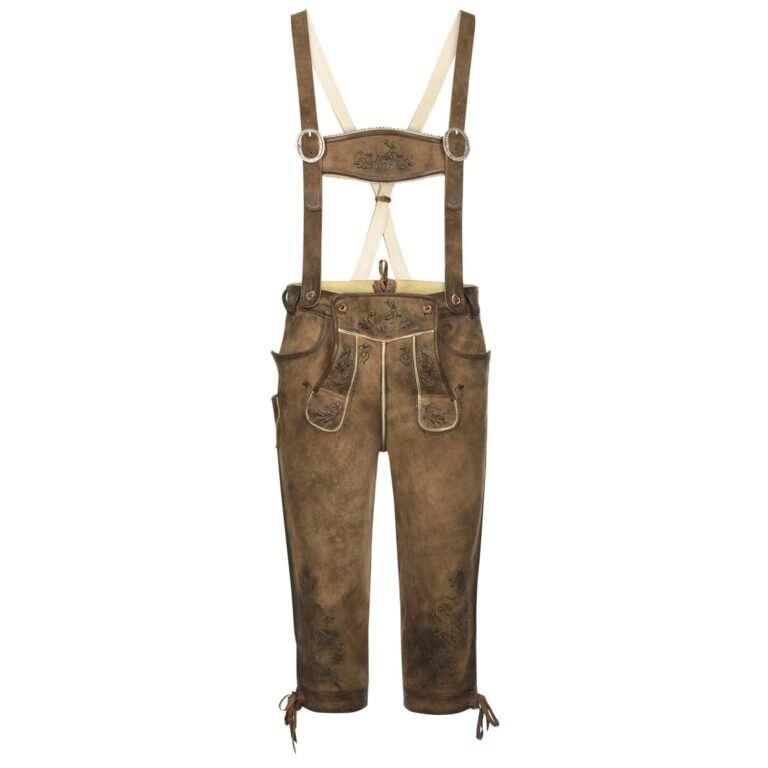
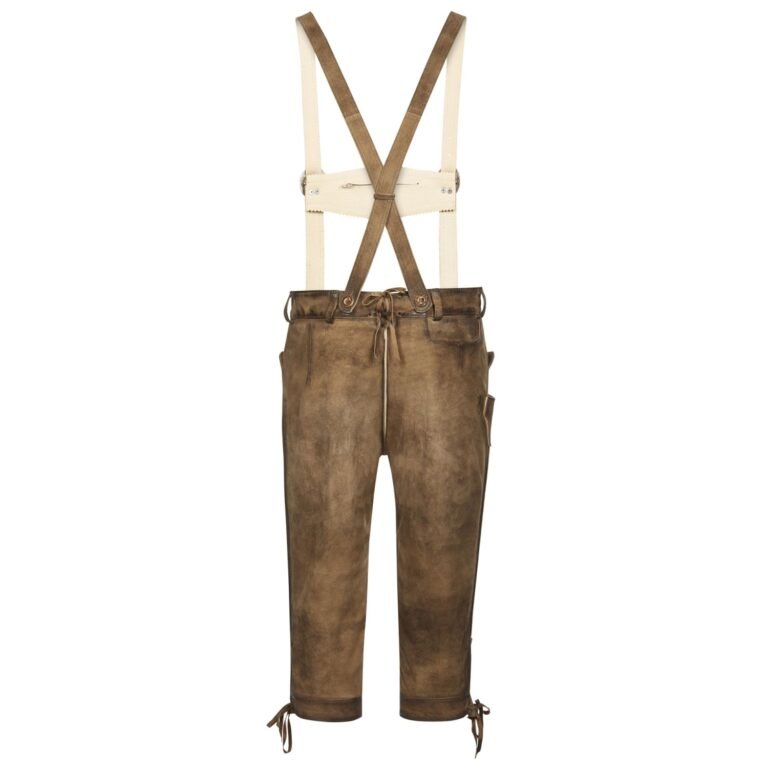
Antique Brown Bundhosen with Stag Embroidery
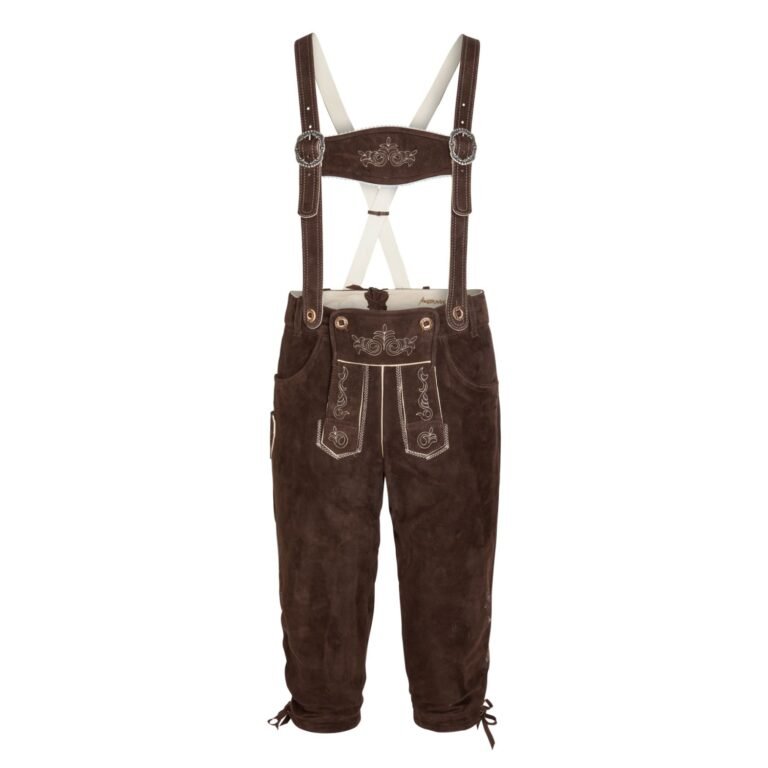
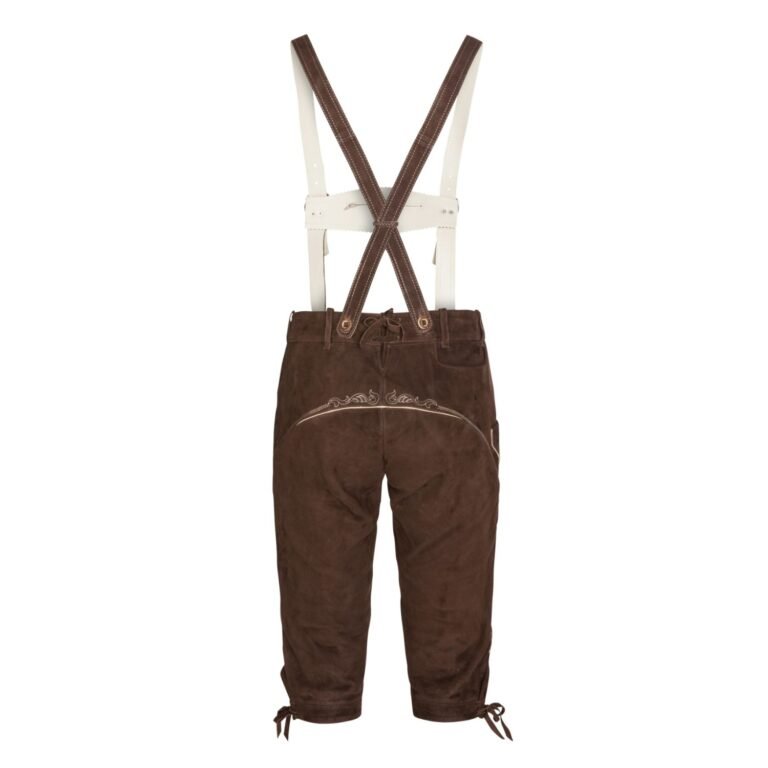
Men’s Alpine Espresso Bundhosen
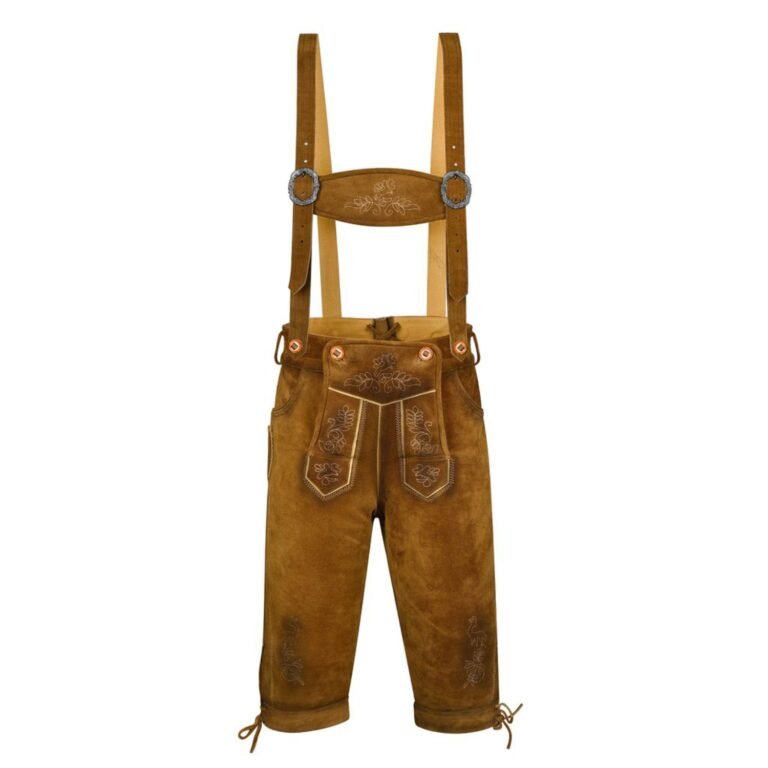
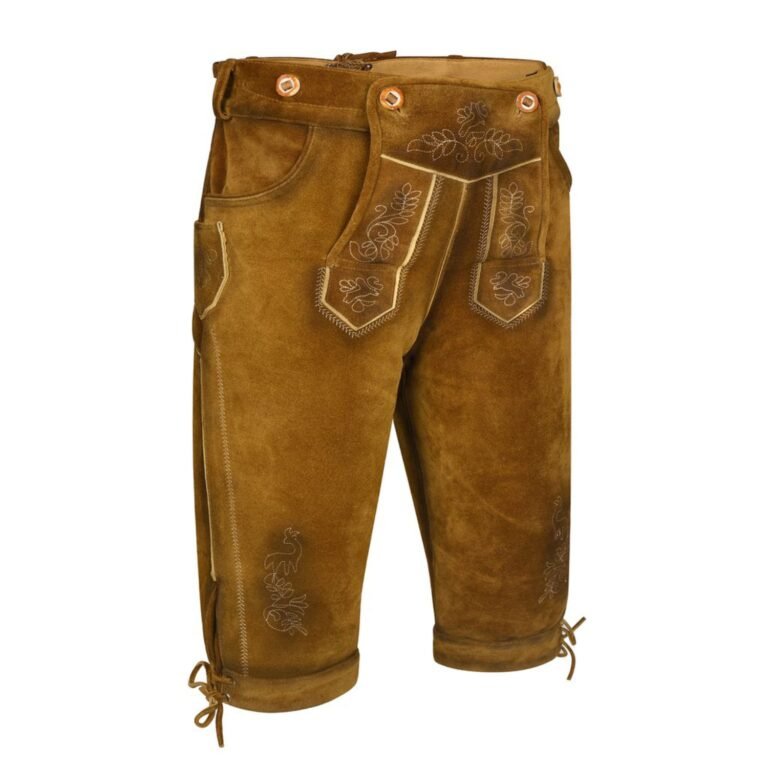
Men’s Rustic Hazelnut Bundhosen
What Are Bundhosen, and Which Pair Should You Buy?
Bundhosen are Bavarian leather trousers that end at the knee and fasten just below the knee with buttons or buckles, which makes them warmer and more formal than short lederhosen; for most men, a goat suede pair ordered by true waist size is the smartest place to start.
The longer German name, Kniebundhosen, names the knee band itself, and that single closure is what separates knee-length leather breeches from every other cut in Bavarian Trachten. The design traces back to the late Middle Ages in Bavaria, Tyrol and Austria, when Alpine farmers, hunters and woodsmen needed workwear that covered the knee without snagging on rock.
That working history still shows in how people use them. In my experience, a man who buys one good pair ends up wearing it far beyond the beer tent: Oktoberfest in September, autumn weddings, Alpine hiking trips, and a December night at Christmas markets or Krampusnacht.
The trade-off is warmth and price, and both depend on the hide. What follows covers where the cut came from, how it compares to the above-the-knee style, which leather earns its cost, and how a proper pair should feel on the first wear versus the fifth.
Where Did Bundhosen Come From?
Bundhosen came from Alpine outdoor work: the cut was German Trachten for men who herded animals, hauled timber and tracked game, long before it became festival clothing.
The leather tells the story better than any date. Hirschleder, or deerskin, was the hunter’s hide because it stayed supple after a soaking, and deer leather still turns up at traditional hunts in rural Bavaria today. Hides that took more abuse, crossing brush and scree, went to the farmhands, and their pairs are the ancestors of the historical styles sold now.
In the family of Bavarian leather breeches, Bundhosen sit in the middle, between the thigh-length cut and long lederhosen pants. That middle position is exactly what made them useful across the Alpine regions: enough cover for the shin, enough freedom at the knee for climbing. If you want the whole leg covered on cold days, shop long lederhosen instead.
The traditional form has barely moved, and that is part of the appeal for anyone who cares about Bavarian tradition. When a pair is described as imported from Germany or cut to patterns used by German manufacturers, check the knee band and the grade of the hide, not just the label.
Bundhosen or Short Lederhosen: Which Should You Wear?
Choose Bundhosen when you need warmth, coverage or a dressier look, and choose short lederhosen for hot days and relaxed beer gardens; the two styles differ mainly in where the leg ends.
Bundhosen vs lederhosen looks like a small gap on paper. In practice, the knee band changes the whole outfit: knee-high socks meet the cuff, the shin stays covered, and the look moves from party wear toward something you could wear to a christening.
| Factor | Bundhosen | Short lederhosen |
| Where they stop | Extend below the knee and fasten at the leg opening | End above the knee and stay open |
| Best weather | Cooler weather, with more leg coverage | Warm weather and sunny afternoons |
| Dress code | Suited to formal events and church weddings | Relaxed party look |
| Warmth | Extra insulation, especially over wool socks | Minimal |
| Cut | Tapered toward the knee | Looser through the thigh |
Shoppers often ask whether leather Bundhosen are just a shorter take on long trousers. They aren’t. The knee band is the identity of the garment, and it is why the Trachtenvereine, the Bavarian cultural societies that preserved folk costume in the 19th century, kept the cut alive while everyday clothing moved on.
What Are Bundhosen Made Of?
Bundhosen come in three material families, leather, corduroy and wool, and leather remains the default for festivals and formal wear.
Leather pairs are cut from goatskin, cowhide or deer, and every one should be 100% genuine leather. Real hide is breathable, which matters more than people expect when a festive day runs from late morning to closing time. It is also the most durable of the three, and the only one that improves with age.
Corduroy is the cooler-weather alternative. It handles casual wear well, costs less than hide, and the dyed versions in olive green, rusty browns and antique greys look right with a heavy knit.
Wool pairs are the cold-weather specialists. In snow, a wool blend cut feels closer to a Trachten jacket than to a pair of trousers, and you rarely see one in a beer tent. If you want a single weather-versatile pair, leather still wins, because it handles a warm afternoon and a cold evening in the same day.
In my experience, the material question is really a calendar question. Pick the fabric by the coldest day you expect to wear it, then pick the color, and the formal occasions on your list will take care of themselves.
Which Leather Should You Pick for Your Bundhosen?
Goat suede is the best all-round choice for most buyers, deerskin is the premium pick for formal wear and wet weather, and cow suede is the toughest and cheapest option.
Each hide behaves differently from the first wear. Goat starts soft and snug, sits close across the hip and relaxes quickly. Cow holds its shape longer. Deer develops a patina that keeps improving for decades. The price follows the same order. If you want the hide that ages best, shop austrian deerskin lederhosen and treat the higher price as a long-term buy.
| Leather | Feel and behavior | Best for | Typical price band |
| Goat suede | Softer than cow, with a genuine suede nap and comfort through a full day of festivities | Regular wear and festival weekends | Mid tier, $350–550 |
| Deerskin | Dense and the most long-lasting hide | Weddings, hunts and outdoor use | Premium tier, $600–1,200+ |
| Cow suede | Heavy and stiff at first, with high durability | Rough use and tight budgets | Entry tier, $180–300 |
The middle band also covers premium cow suede, and the best goat pairs are cut from premium goatskin, which feels noticeably finer in the hand. Price bands describe what the broader market charges, not a quality ceiling. A cheap goat pair can outlast a neglected deerskin one, so read the stitching before the label.
What Design Details Set Bundhosen Apart?
The details that define Bundhosen are the knee band, the suspenders and the decoration on the front flap, and how well those three are made tells you more about a pair than its color.
Most pairs are sold in a suspender style, with Hosenträger that form an H-shape across the back and an embroidered chest plate in front. Straps on Bundhosen run slightly wider than those on short pairs, which spreads the weight of the heavier leather across the shoulders.
The belt style is the alternative. In Munich it has become a current trend, especially among younger wearers who swap straps for belts and keep complete accessories sets for formal days.
Colors lean toward vintage colors. Rusty brown, antique grey and charcoal lead the leather range, while brushed corduroy adds an earthy brown or green. A good range offers various colors without drifting into novelty shades, which keeps the contemporary fashion influence subtle.
When and Where Can You Wear Bundhosen?
Bundhosen work anywhere Bavarian dress is expected, from Oktoberfest to weddings, hikes, hunts and winter folk events, because the knee cut handles both formality and weather.
At the Oktoberfest in Munich, Bundhosen are commonly worn, especially in late September and at evening events when the temperature drops. In indoor beer tents at midday, short pairs feel cooler. If your calendar is mostly casual US festivals and you want the postcard Oktoberfest look, short pairs remain the classic festival wear; Bundhosen earn their price everywhere else. For those warm, casual days, browse our Lederhosen collection for a short pair.
On the trail they return to their roots. The knee cut protects the shins, and with proper boots they handle Alpine outdoor settings comfortably. In hunting country the dress code is quieter: a muted deerskin pair, no shine, nothing that rattles.
Beyond festivals, Bundhosen belong at cultural events and traditional gatherings, and in parts of the Alps they are still everyday heritage dress rather than costume. In autumn and winter, the heaviest, warmest wool-blend pairs take over for cold-weather Alpine events and winter folk dances, where a Schuhplattler performance demands warmth and freedom at the knee.
How Do You Style Bundhosen for an Authentic Look?
Style Bundhosen with a long sleeve shirt worn loose, broad straps, full-height socks, solid footwear and a vest or jacket, because the knee cut needs more coverage above and below it than short lederhosen do.
Most styling errors I see come from treating Bundhosen like shorts. The common mistakes are predictable: short-sleeve shirts, sneakers, and bare calves between cuff and shoe. Each one breaks the line the knee band is supposed to create.
- Matching shirts: long sleeves only, in plain or checked linen, worn loose; tucking in the shirt bunches cloth above the waistband.
- Simple suspenders or matching embroidered Hosenträger: look for edelweiss, eagles or stag motifs in white and green thread, Bavarian-inspired motifs in handmade embroidery, or fully custom embroidery.
- Trachten-style socks: full knee-highs that reach the cuff with no skin showing.
- Sturdy boots or hiking boots: athletic shoes look wrong next to leather in any setting.
- Wool waistcoat: adds polish for church, weddings and evening wear.
Two checks before you leave the house. Close every knee button, because unfastened knee buttons or unbuttoned knees look like a wardrobe malfunction. And buy real leather only: synthetic vinyl and other synthetic imitations crease and shine under tent lights.
How Should Bundhosen Fit, and What Size Should You Order?
Bundhosen should sit snug at the waist, stay slightly tapered through the leg and finish with a knee closure at or just below the kneecap, and the right size starts from your true waist.
New leather feels tight at first, and that is the point. A pair that is comfortable on day one will sag by the end of the season, while one that feels firm adjusts with wear and keeps its structure at the knee. Measure your true waist first, then use our size chart, which has what size lederhosen explained by measurement.
The knee band is the part people get wrong. If it lands mid-shin, the fit looks borrowed; if it sits above the kneecap, the trousers read as a long pair of shorts. Older pairs with lace closures at the back and newer adjustable waistbands both give a little room, but neither fixes a badly placed knee.
For tall or broad builds, look for big and tall sizes with an extended waist and length options. Plus sizes on the market reach a 38″–60″ waist, and extended length patterns exist for taller men. Our own range runs US 30 to US 52, and anything outside it is handled through custom sizing: send your waist, hip and thigh measurements in the order notes.
How Much Do Bundhosen Cost?
Bundhosen cost from $180–300 for an entry pair to $600–1,200+ for a premium one, and the gap comes down to the hide, the handwork and what comes with the trousers.
Cow suede is the most affordable hide and the usual choice of first-time buyers, while goat suede sits at a mid-range price. Corduroy pairs are less expensive still, and warmer than leather, though you rarely see them in a festival tent. Deerskin is where the money climbs fast.
| Feature | Budget pair | Quality pair |
| Seams | Single machine seam | Reinforced stitching and precise stitching at stress points |
| Panels | Die-cut pieces | Hand-cut leather matched for color |
| Decoration | Printed or machine motif | Hand-stitched embroidery by experienced artisans |
| Hardware | Plastic or metal | Horn buttons |
| Finish | Loose threads at pockets | Attention to detail around pockets and knee band |
Higher bands also carry more modern versions with contemporary touches such as slimmer legs and tonal thread. My rule of thumb: pay for the hide and the stitching first, decoration last. A plain goat pair with sound seams will outlive a heavily decorated cow pair with weak ones.
What Styling Mistakes Should You Avoid With Bundhosen?
The biggest Bundhosen mistakes are short sleeves, athletic footwear, exposed shins, open knee buttons and fake leather, and each one has a simple fix.
Swap any short sleeve for a long-sleeved Trachten shirt or Bavarian shirt in white linen or checkered cotton, worn untucked so the cloth falls over the waistband. The shirt is the largest visible surface above the leather, so it sets the tone.
Footwear comes next. Haferl shoes, the side-laced Bavarian classic, suit festival days, and ankle boots work for evenings. Above the shoe, wear Loferl or full knee-highs in a wool blend for cold weather, and cotton when it is warm. To get the height right, shop socks for lederhosen long enough to meet the knee band.
Then finish the top half. A Trachten vest adds shape for church or a wedding, and a Bavarian hat with a Gamsbart feather or a plain felt Tyrolean hat completes the alpine look. The hat is optional at festivals but expected at hunts and folk events.
One more mistake I see often: buying a size up “to be safe.” Real hide gives with wear, so a loose pair only gets looser.
Bundhosen FAQs
What Are Bundhosen in Simple Terms?
Bundhosen are centuries-old traditional attire from the Alps: leather knee-length pants that close at the knee with buttons or buckles. By the 18th century they were standard rural Alpine dress. Today they appear at Oktoberfest, weddings, village celebrations and outdoor activities, and they are worn like any well-made pair of trousers.
What Is the Real Difference Between Bundhosen and Lederhosen?
The real difference is length: lederhosen end above the knee, while Bundhosen are knee-length breeches that close below it. Both belong to the same Trachten tradition, so the choice comes down to intended use. Bundhosen give a modest, classic silhouette that is versatile across seasons, while short pairs suit a looser modern style. Plenty of men own both, but for a first pair in mixed weather, the knee cut covers more of the calendar.
Are Bundhosen Warmer Than Short Lederhosen?
Yes, Bundhosen are warmer than short lederhosen because they cover the knee and, with knee-high socks, leave no skin exposed. That matters most at US Oktoberfests in the northern states, where events in Cincinnati, Milwaukee, Boston, Minneapolis and Denver can run into cold evenings. Wearing Bundhosen there also helps you stand out in a crowd of short pairs.
What Is the Best Leather for Bundhosen?
Goat suede is the best leather for most buyers because it balances softness, weight and price. Goat suede is lightweight, the natural all-rounder for everyday wear. Deerskin is water-resistant enough for light rain and suits formal days, while cow suede is the sturdy, most durable option for rough outdoor use.
Can You Go Hiking in Bundhosen?
Yes, Bundhosen were built for Alpine outdoor work, so hiking in them returns the trousers to their original purpose. The knee-length cut shields the shins from brush and loose rock while leaving the knee free on steep ground. Pair them with proper boots and full socks, and choose cow suede or deerskin if the trail is rough or wet.
How Tight Should New Bundhosen Feel?
New Bundhosen should feel nearly too tight at the waist and hip, because real leather loosens with wear. The leather stretches about 1–2 inches and molds to your shape within 3–5 wears. Once that happens, the knee fastening should still sit at or just below the kneecap, so judge the knee position on day one, not the waist.
Do Bundhosen Come in Big and Tall Sizes?
Yes, Bundhosen are made in big and tall sizes, with extended waists and longer legs for taller men. Good ranges offer wide size options, from X-small through small to plus size, and staff who can help you choose sizes and styles. Extended patterns are usually aimed at men taller than 6’2″, and custom sizing covers anyone in between.
Can You Wear Bundhosen to Oktoberfest in Munich?
Yes, Bundhosen are commonly worn at Oktoberfest in Munich and are fully traditional there. The Munich Oktoberfest 2026, the 191st Oktoberfest, ran on the Theresienwiese from Saturday, September 19 to Sunday, October 4. That window brings cool mornings, warm afternoons and chilly evenings, which is exactly the swing the knee cut handles.
Can You Wear Bundhosen Outside of Oktoberfest?
Yes, Bundhosen can be worn at cultural events, outdoor activities and traditional gatherings, not only at Oktoberfest. Treat them as formal regional attire for church or a wedding, then dress them down with a knit for folk festivals and folk dances. Across the Alpine regions, a good pair is a heritage piece rather than a costume.
How Do You Clean Bundhosen?
Clean Bundhosen by spot-wiping and brushing, never in a washing machine, because soaking and agitation ruin leather. Wipe marks with a barely wet cloth, use a gentle cleaner made for leather, let the pair dry at room temperature and store it hanging. With proper care, high-quality leather improves in appearance as the nap settles and the color deepens.
When Should You Order Bundhosen for Oktoberfest?
Order Bundhosen by early September at the latest, and earlier if you need a custom fit or an unusual size. To order early and order once, measure your true waist measurement rather than going by jeans size; back lacing adds about 2–3 inches of adjustment, not more. Men over 6’2″ should allow extra time for extended length. In my experience, ordering out of season is also when pairs are most likely to be on sale at competitive prices.
How Long Do Bundhosen Last?
Bundhosen last about 5–10 years in goat suede and about 10–20 years in cow suede, and deerskin is the longest-lasting of the three. A full deerskin pair with sound stitching reaches heirloom quality and can serve for decades. Never machine wash leather; wipe it with a damp cloth and a mild leather cleaner, let it air dry, and keep it on a hanger. Custom items made to your measurements deserve the same routine, because the fit they were built for only lasts as long as the leather does.